Ebola is not COVID-19: Benue residents urged to reject rumours, follow verified health advisories.
Residents of Benue State have been urged to disregard misinformation comparing Ebola disease with COVID-19 and rely on verified information from recognised health authorities following Nigeria’s confirmation of an imported case of Ebola Bundibugyo virus disease in the Federal Capital Territory (FCT).
The call comes amid concerns over rumours circulating in some quarters, underscoring the need for accurate public health information, responsible communication and adherence to recommended preventive measures.
Ebola and COVID-19 are distinct infectious diseases caused by different viruses. Although both can cause serious illness and share some symptoms, they differ significantly in their transmission patterns and other clinical characteristics. Understanding these differences is essential to preventing panic and ensuring that residents take appropriate precautions.
The Federal Ministry of Health and Social Welfare confirmed the Ebola case on October 20, 2026, following laboratory testing. The patient, a woman with a recent travel history to Uganda, was isolated and placed under medical care in Abuja while public health authorities initiated contact tracing and other containment measures.
According to the Nigeria Centre for Disease Control and Prevention (NCDC), its situation report dated October 24, 2026, indicated that 53 contacts linked to the confirmed case had been identified and were being monitored. The agency also reported that the patient’s condition had improved remarkably, while surveillance and other response measures continued.
The confirmation of the case in the FCT does not, by itself, establish an outbreak in Benue State. The NCDC report reviewed for this article listed the confirmed case in the FCT, with no confirmed case recorded in Benue in that report. Residents should therefore distinguish verified information from unsubstantiated claims about alleged cases in their communities.
Members of the public are advised to obtain updates from the Benue State Ministry of Health and Human Services, the NCDC, the Federal Ministry of Health and Social Welfare, and the World Health Organization (WHO), rather than relying on unverified social media posts or hearsay.
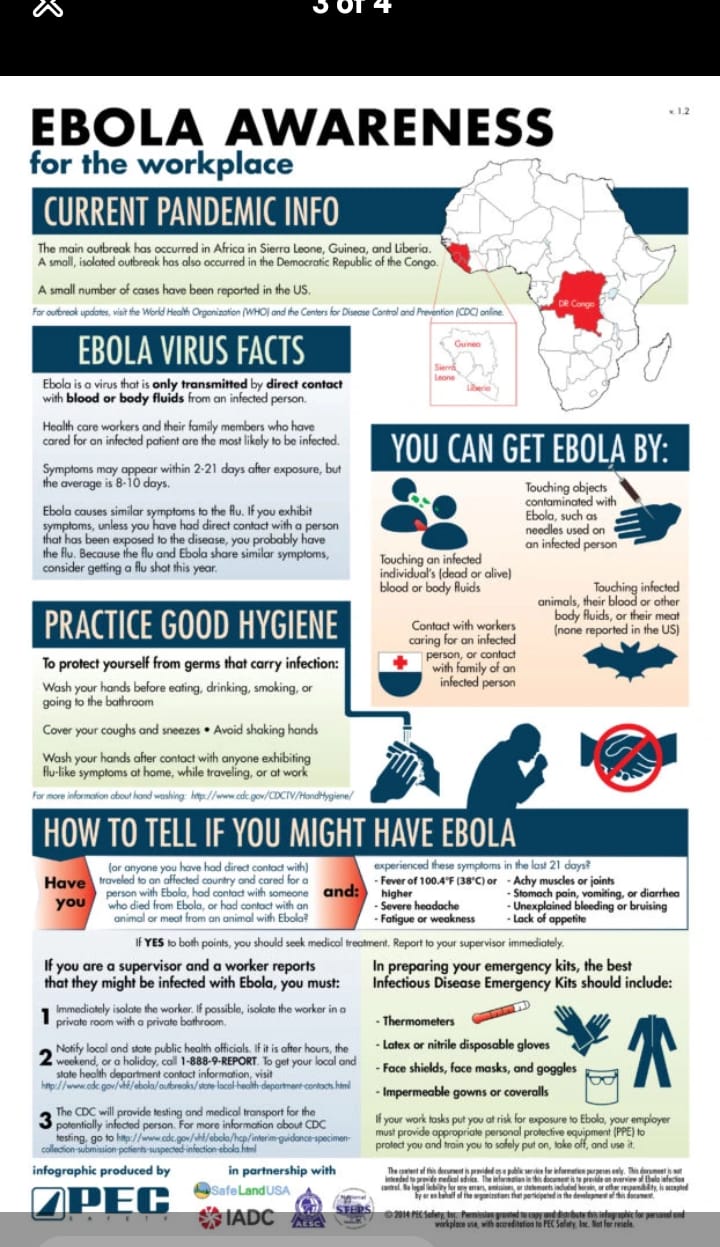
According to the NCDC and WHO, Ebola spreads through direct contact with the blood or other body fluids of a person who is sick with the disease, the body of someone who has died from it, or contaminated materials. It is not ordinarily transmitted through the air in the same manner as COVID-19.
COVID-19, by contrast, spreads primarily through infectious respiratory particles released when an infected person breathes, speaks, coughs or sneezes. While the two diseases may share symptoms such as fever and weakness, they are not the same illness and require different approaches to diagnosis, treatment and infection prevention.
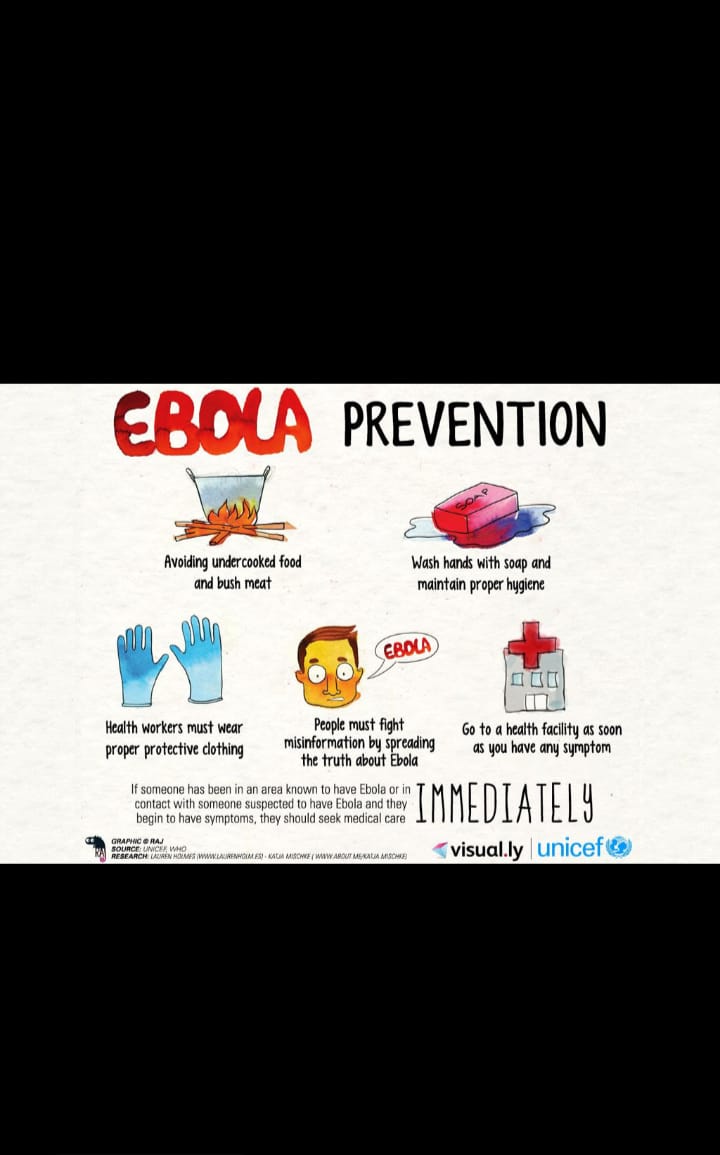
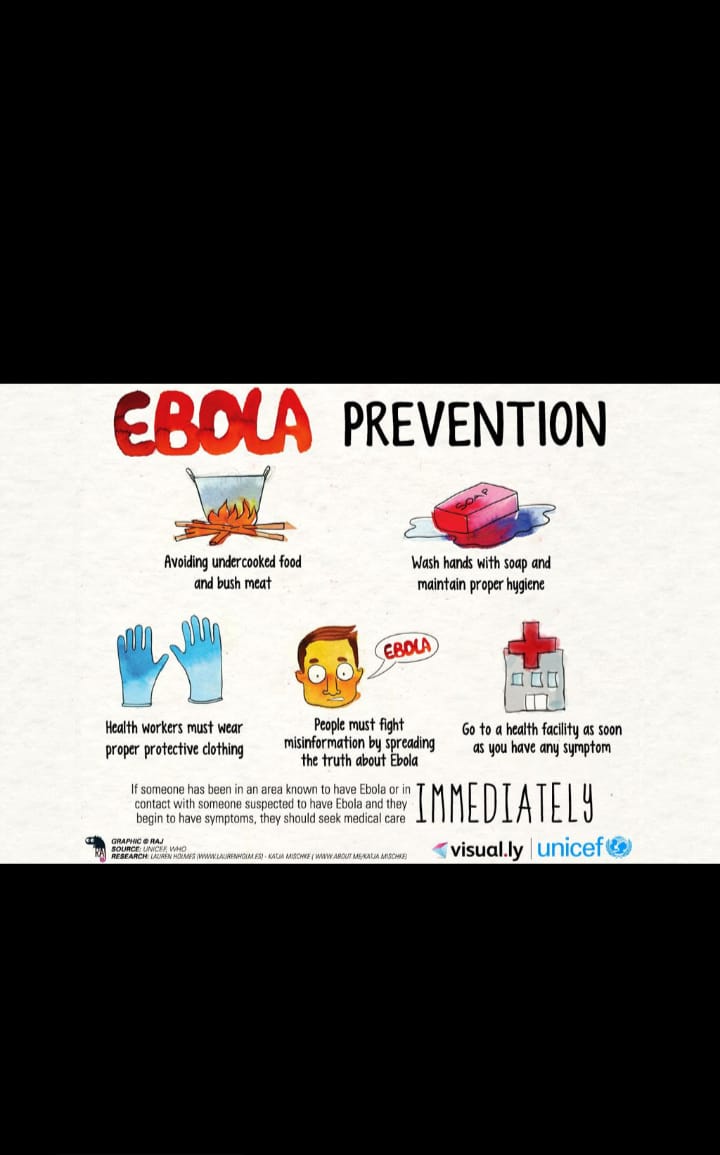
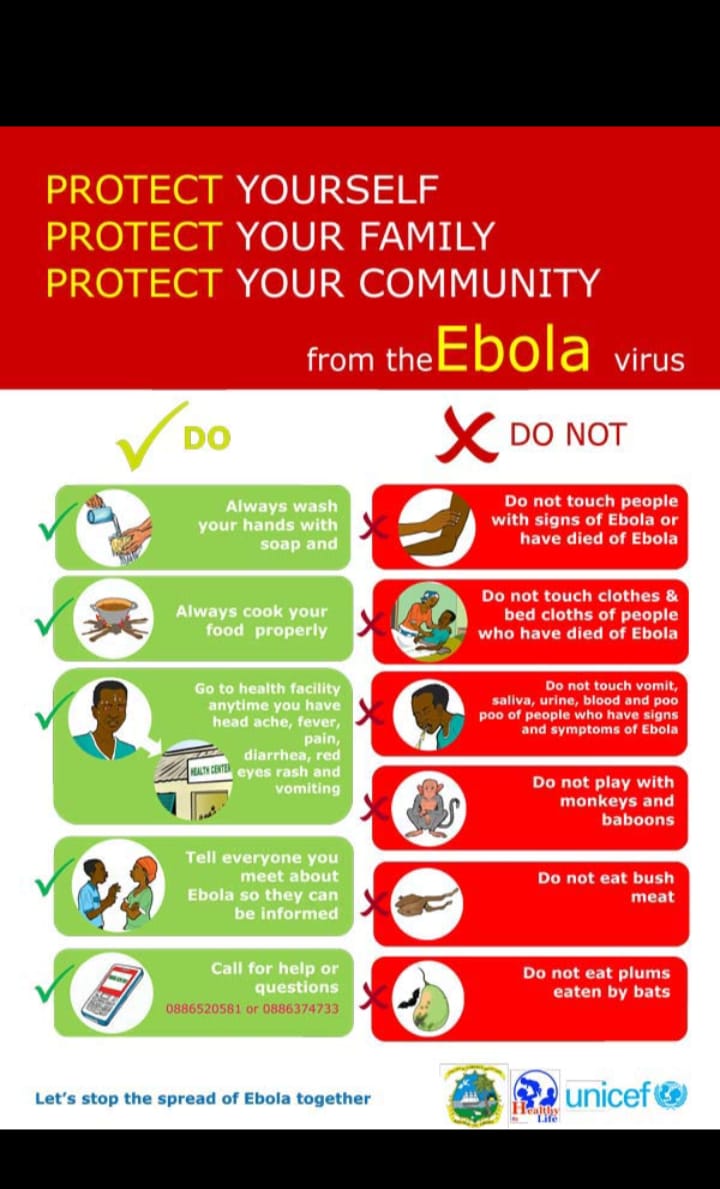
Early symptoms of Ebola may include fever, headache, muscle pain, weakness and sore throat. Other symptoms may develop as the disease progresses, including vomiting, diarrhoea and abdominal pain. Bleeding may occur in some cases but is not present in every patient.
These symptoms can also occur in other illnesses, including malaria and Lassa fever. Their presence alone does not confirm Ebola. Anyone who develops concerning symptoms following possible exposure should seek urgent medical assessment and provide health workers with relevant information about recent travel or contact with a suspected or confirmed case.
Residents are also encouraged to practise regular handwashing with soap and water, maintain good personal hygiene and avoid direct contact with the blood or other body fluids of sick people. Members of the public should never handle the body of someone suspected of dying from Ebola without appropriate professional assistance.
People should equally avoid relying on herbs, salt water or other unproven remedies to prevent or treat suspected Ebola infection. Anyone who suspects a case should promptly notify the appropriate health authorities and follow official medical advice rather than attempting self-treatment or spreading unverified allegations about individuals or communities.
Beyond individual responsibility, health authorities have an important role in ensuring that residents receive timely, clear and accurate information. Continued public communication on surveillance, preparedness and any verified developments will help strengthen public confidence and prevent unnecessary fear.
Traditional rulers, religious leaders, journalists, community organisations and social media users are also encouraged to support responsible public communication by correcting misconceptions and verifying information before sharing it. False reports can cause panic, encourage stigma and discrimination, and undermine confidence in legitimate public health warnings.
In conclusion, Ebola is not COVID-19, and Nigeria’s confirmed case should be treated with the seriousness it deserves without generating unnecessary alarm. Equally, residents should not assume that the disease is spreading in Benue State without verified evidence.
Residents are therefore urged to remain calm, observe recommended precautions, cooperate with health authorities and rely on credible medical information. Accurate information, responsible communication and collective vigilance remain essential to protecting individuals, families and communities.
Elizabeth Uta
SOMTEC Desk Officer
Benue State

Comments 0
Join the discussion on this news article. All comments are moderated before appearing.
No comments yet
Be the first to share your thoughts on this story!
Write the first commentLeave a Comment
Your email address will never be published or shared. Required fields are marked *