
Daniel Amokachi
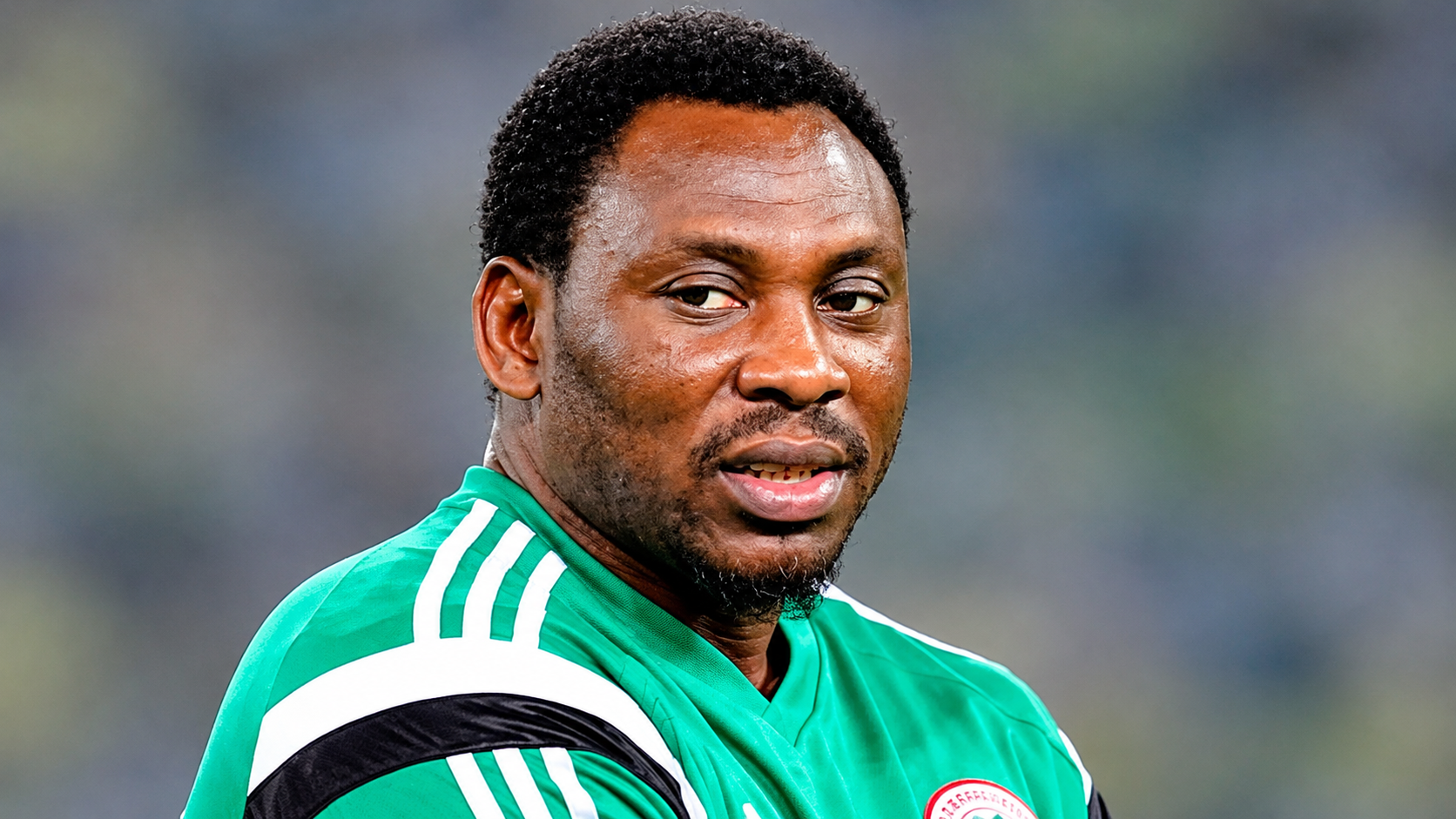
Daniel
Owefin Amokachi, popularly known as The Bull, is a former Nigerian professional
footballer, coach and football administrator who is widely remembered for his
contributions to Nigerian football and the country's success on the
international stage. Renowned for his strength, pace, determination and
attacking abilities, Amokachi was one of the prominent members of Nigeria's
celebrated generation of footballers in the 1990s.
He played
a significant role in the development of Nigerian football, particularly during
the period when the Super Eagles established themselves as one of Africa's
leading national teams.
Early Life and Background
Daniel
Amokachi was born on 30 December 1972 in Kaduna, Nigeria. He developed an
interest in football at a young age and demonstrated considerable talent as a
forward.
His
footballing journey began in Nigeria, where his impressive performances
attracted the attention of scouts and opened the door to professional football
in Europe. His physical strength, speed and ability to score important goals
soon distinguished him from other players of his generation.
Professional Football Career
Amokachi
began his professional career with Ranchers Bees FC in Kaduna in the late
1980s. His performances earned him a move to Belgium in 1990, where he joined
Club Brugge.
At Club
Brugge, he developed into a recognised European striker, winning domestic
honours and becoming one of the notable African players in Belgian football. He
also made history by scoring Club Brugge's first-ever UEFA Champions League
goal in 1992.
In 1994,
he moved to England to join Everton FC. His time at Everton became one of the
most memorable periods of his club career.
One of
his most remarkable moments came during the 1995 FA Cup semi-final against
Tottenham Hotspur. Coming on as a substitute, Amokachi scored twice to help
Everton secure a 4–1 victory and qualify for the final. Everton subsequently
defeated Manchester United 1–0 to win the 1995 FA Cup, making Amokachi part of
the club's historic triumph.
Following
his successful spell in England, he moved to Turkey in 1996 to play for
Beşiktaş JK. He continued to display his attacking qualities and helped the
club win the Turkish Cup and Turkish Super Cup during the 1997–1998 period.
He also
had spells with Colorado Rapids in the United States and Nasarawa United in
Nigeria before bringing his professional playing career to a close.
International Career with the Super Eagles
Amokachi's
contribution to Nigerian football is perhaps best remembered through his
exploits with the national team, the Nigeria Super Eagles.
He made
his international debut in 1990 and became an important member of the national
team during one of the most successful periods in its history.
His major
international achievements include:
- 1994 Africa Cup of Nations:
He was part of the Nigerian squad that won the championship in Tunisia,
defeating Zambia 2–1 in the final.
- 1994 FIFA World Cup: He
represented Nigeria at the tournament in the United States, scoring
against Bulgaria and Greece during the group stage. Nigeria reached the
round of 16.
- 1996 Atlanta Olympic Games:
He was a member of the Nigerian Olympic football team that won the gold
medal, defeating Argentina 3–2 in the final. Amokachi scored Nigeria's
equalising goal to make it 2–2 before Emmanuel Amunike scored the decisive
winner.
The 1996
Olympic triumph was particularly significant because Nigeria became the first
African country to win the men's Olympic football gold medal.
Amokachi
also represented Nigeria at the 1998 FIFA World Cup in France, further
cementing his place among the country's notable footballers of that era.
Coaching and Football Administration
After
retiring from professional football, Amokachi transitioned into coaching and
football administration. He managed several clubs, including Nasarawa United,
Enyimba FC, Ifeanyi Ubah and JS Hercules of Finland.
He also
served as an assistant coach of the Nigerian national team, working alongside
prominent Nigerian football coaches, including the late Stephen Keshi.
Between
2014 and 2015, he served as interim coach of the Super Eagles, taking
responsibility for the national team during a transitional period.
In
February 2020, former President Muhammadu Buhari appointed him Nigeria's
Football Ambassador. The appointment was intended to enable him to contribute
to football development, talent discovery and the mentoring of young Nigerian
sportsmen and women.
Personal Background and Heritage
Although
Daniel Amokachi was born in Kaduna, he is of Idoma descent from Benue State.
His background makes him an important figure in the sporting history of the
Idoma people and Benue State.
His
nickname, The Bull, reflects the physical strength, aggression, determination
and energetic playing style that characterised his football career.
Beyond
football, he has been involved in youth development and sports advocacy.
Through the Daniel Amokachi Eduplus Youth Development Foundation and his
involvement with the United Nations' Football for the Goals initiative, he has
supported the use of sports as a platform for education, inclusion and youth
empowerment.
Legacy and Contribution to Nigerian Football
Daniel
Amokachi remains one of the memorable figures of Nigeria's golden generation of
footballers. His contributions to the 1994 Africa Cup of Nations triumph, the
country's historic 1996 Olympic gold medal victory and Everton's 1995 FA Cup
success have secured his place in football history.
He was
part of a generation that helped raise Nigeria's profile in international
football and inspired many young Nigerians to pursue professional careers in
the sport.
His
journey from Ranchers Bees in Kaduna to some of Europe's prominent football
clubs demonstrates the opportunities that talent, discipline and determination
can create.
Today,
Amokachi is remembered not only as a former Super Eagles striker but also as a
football ambassador, coach and mentor whose influence extends beyond the
football pitch.
Daniel
Owefin Amokachi, popularly known as The Bull, is undoubtedly one of the notable
Nigerian football icons whose achievements continue to form part of the
country's rich sporting heritage.
Comments 0
Join the discussion on this news article. All comments are moderated before appearing.
No comments yet
Be the first to share your thoughts on this story!
Write the first commentLeave a Comment
Your email address will never be published or shared. Required fields are marked *