The biggest-fish competition remains the heart of the celebration. It highlights the patience, experience and practical knowledge of local fishermen, whose livelihoods are closely connected to the lake and its resources.
The Akata Fishing and Cultural Festival is one of Benue State’s most distinctive traditional celebrations. Held around the historic Akata Lake in Katsina-Ala Local Government Area, the festival brings together fishermen, cultural performers, traders, families and visitors in a celebration of heritage, community and enterprise.
Associated with the fishing traditions of the Tiv, Etulo and Jukun communities, the festival showcases indigenous knowledge, strengthens relationships among neighbouring communities and highlights the tourism potential of Benue State.
Located near Katsina-Ala town and the Katsina-Ala River, Akata Lake provides the setting for the festival’s main attraction: a fishing competition in which participants compete to land the biggest catch.
But Akata is more than a fishing contest. It is a living expression of culture, a platform for local business and an opportunity to position Benue as a destination for cultural and eco-tourism.
A festival rooted in tradition
The Akata Fishing Festival reflects the close relationship between the host communities and their aquatic environment. Although its precise origins require further historical documentation, available accounts indicate that the festival has long formed part of the cultural life of Katsina-Ala.
Its revival and development in the late 2000s renewed public interest in Akata and its surrounding communities. A report published in June 2009 described a two-day celebration that attracted participants and visitors from across the Middle Belt. The programme included fishing competitions, traditional performances and other recreational activities, alongside efforts to improve access and organise the festival venue.
The festival continues to provide an important avenue for passing indigenous knowledge and traditional skills from one generation to another.
The fishing competition
The biggest-fish competition remains the heart of the celebration. It highlights the patience, experience and practical knowledge of local fishermen, whose livelihoods are closely connected to the lake and its resources.
Spectators gather to watch participants present their catches for assessment, while outstanding fishermen receive recognition and prizes.
Historical records illustrate the excitement surrounding the contest. Agbo Jonathan won the main competition with a 45-kilogramme fish, while Peter Aondover came second with a 35-kilogramme catch.
The report also recorded an extraordinary post-competition catch: Henry Ogudu and his companions reportedly caught a 60-kilogramme tilapia after the formal contest had ended. The catch attracted public attention and earned Ogudu a separate cash reward from the then governor. These figures are historical accounts and should not be presented as records of a recent edition.
Beyond prizes, the competition promotes traditional fishing practices, encourages younger people to take an interest in the sector and demonstrates the potential of inland fisheries to support food production and rural livelihoods.
Culture, performance and community
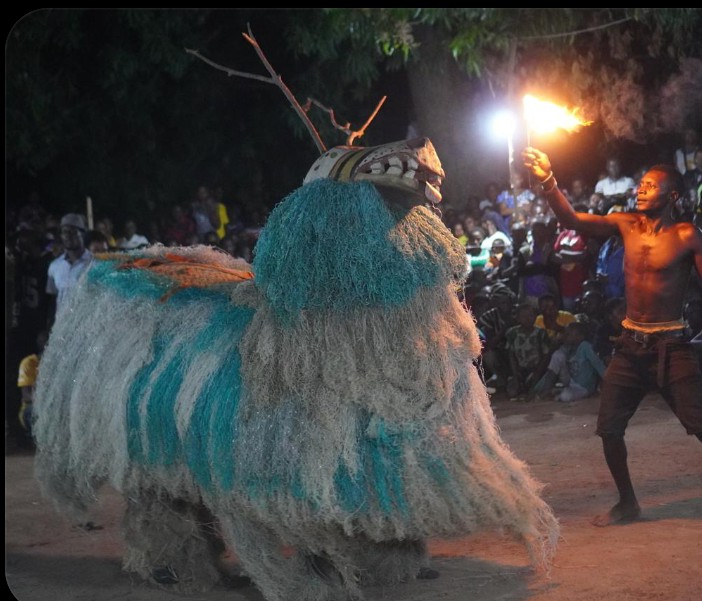
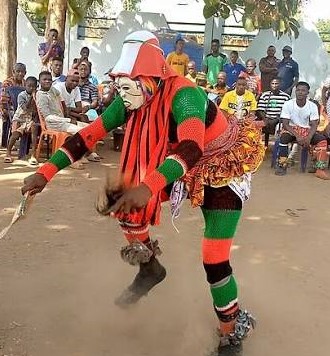
Fishing is only one part of the Akata experience. Traditional music, drumming, dancing and masquerade performances give participating communities an opportunity to express and preserve their cultural identity.
Historical editions have also featured traditional wrestling, boat racing, swimming, archery, agricultural exhibitions and cultural pageants. The 2009 edition included Tiv traditional dances and Kwagh-Hir, the renowned Tiv puppet theatre.
These activities position Akata as a broad cultural festival rather than a fishing event alone.
The festival also brings families, friends and visitors together through shared meals, conversation and communal celebration. Food prepared from the day’s catch further reinforces the spirit of unity associated with the event.
Tourism potential
Akata has the potential to become a major contributor to Benue State’s tourism economy. Its combination of traditional fishing, music, dance, food, community participation and natural scenery gives it a distinctive identity capable of attracting visitors from across Nigeria and beyond.
In 2013, reports indicated that organisers were seeking to reposition the festival, attract local and foreign investors and raise its profile to international standards. The festival was described as a platform for tourism promotion and economic opportunity.
To realise this potential, stakeholders would need to invest in:
- Access roads and transportation
- Accommodation and visitor facilities
- Sanitation, waste management and public safety
- Publicity, branding and digital promotion
- Professional event management
- Guided tours and cultural exhibitions
- Craft markets and locally produced goods
Benue’s tourism authorities, traditional institutions, community organisations and private-sector partners could also document the festival’s history, publish an annual calendar and work with tour operators to include Akata in cultural tourism programmes.
Economic opportunities for residents
A successful festival can generate income for local residents through fishing, trade, hospitality, transport and the sale of indigenous products.
Visitors and participants create demand for fresh fish, prepared food, drinks, accommodation, transportation, traditional clothing, handicrafts and other services. Farmers and processors can also benefit from agricultural exhibitions and opportunities to connect with consumers, investors and business partners.
Katsina-Ala’s agricultural strength gives the festival the potential to link fishing, farming and rural enterprise.
To maximise these benefits, organisers should provide designated trading spaces, promote locally made products, encourage fair pricing and ensure that small businesses and informal traders are included in the festival economy.
Protecting Akata Lake
The future of the festival depends on the health of Akata Lake and its surrounding environment. The lake is not only the venue for the fishing competition; it is also central to the cultural identity and livelihoods of the host communities.
Community leaders, fishermen, environmental authorities and government agencies should work together to promote sustainable fishing, protect aquatic habitats, prevent pollution and improve waste management.
The festival can also serve as a platform for educating participants and visitors about conservation and responsible use of natural resources. Protecting the lake will ensure that Akata remains a living cultural tradition rather than an event dependent solely on entertainment and commercial activity.
A shared responsibility
The continued growth of the Akata Fishing Festival will require cooperation among government institutions, traditional authorities, community organisations, tourism professionals, media organisations and private investors.
Government can support infrastructure, access and security. Traditional leaders and local communities can provide cultural guidance and legitimacy. Private businesses can contribute sponsorship, logistics and investment, while the media can document the festival and promote Katsina-Ala’s cultural attractions to a wider audience.
A sustainable development plan should include:
- Reliable historical documentation
- Transparent competition rules
- Clear visitor information
- Environmental safeguards
- Support for local businesses
- Effective publicity and branding
- Meaningful community participation
A cultural asset for Benue
The Akata Fishing and Cultural Festival is a valuable part of the heritage of Katsina-Ala and Benue State. Through its fishing competition, cultural performances and communal activities, it celebrates indigenous knowledge, strengthens social bonds and creates opportunities for tourism and commerce.
Its history shows that the festival can attract public attention and support cultural and economic development. Its future success, however, will depend on sustained investment, effective organisation, environmental protection and the active involvement of the communities that preserve its traditions.
With the right partnerships and a long-term development strategy, Akata can become one of Nigeria’s leading cultural tourism attractions—showcasing the heritage, enterprise and hospitality of the people of Benue State to the wider world.
Editorial note: This feature is based on published historical reports and cultural background information. The date and programme of the next edition, current organisers, recent attendance figures, latest competition results and any new government commitments should be independently verified before publication as a report of a current event.
Moses Dughdugh
Information Officer
More from Festivals & Celebrations